
Best Practices for Commercial Backflow Prevention Installation in DFW
A Guide for General Contractors
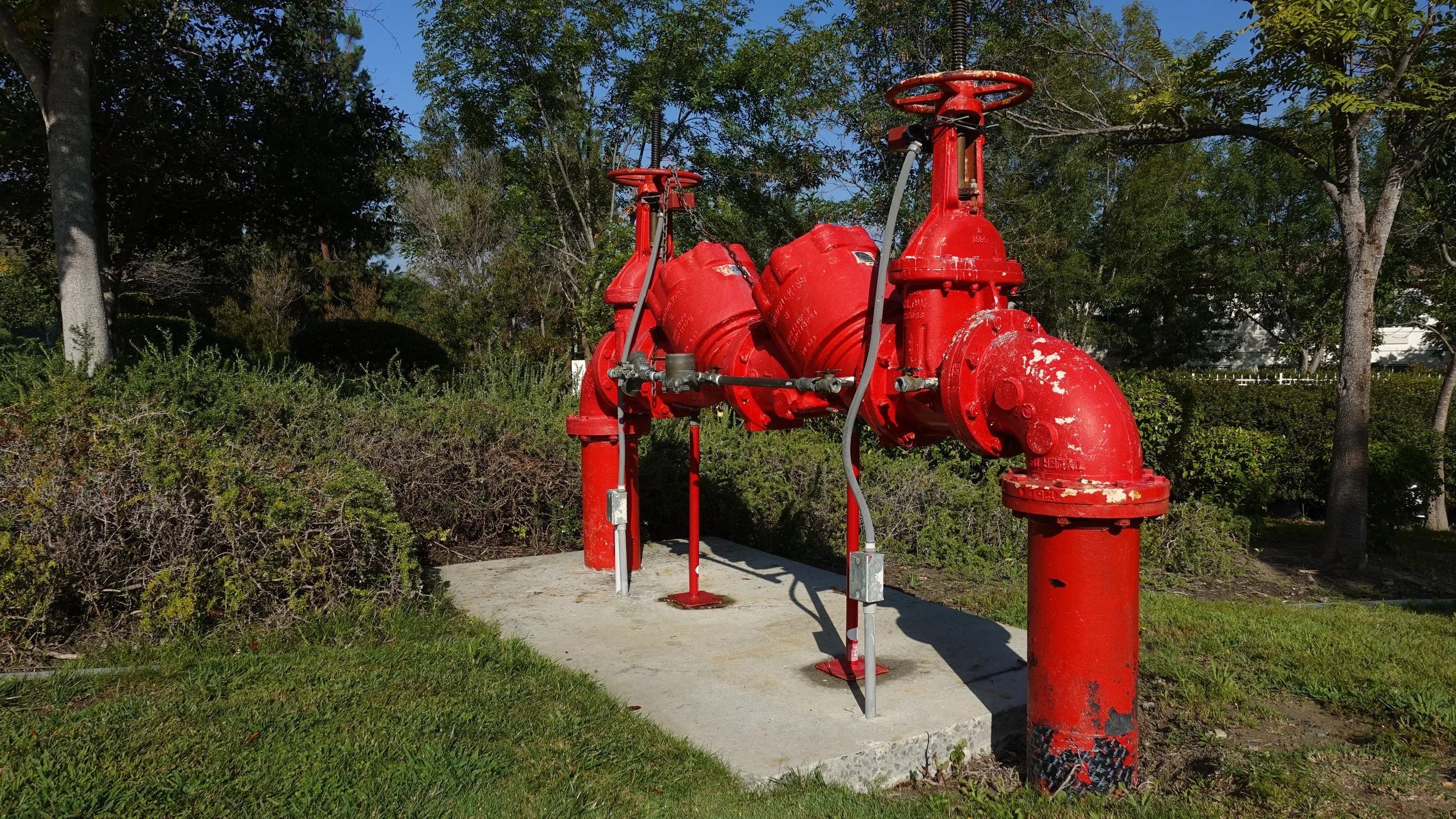
Commercial general contractors in the Dallas-Fort Worth area understand that a well-executed backflow prevention installation protects more than just the water supply; it protects the project's bottom line. In a region where TCEQ fines can reach $5,000 per day and water-service shutoffs can derail a construction schedule, precision is a requirement, not an option.
North Texas presents a unique trifecta of challenges: highly mineralized "hard" water, the "Black Giant" expansive clay soils, and flash-flood zones. At IMSI Mechanical—a 100% veteran-owned SDVOSB—we apply mission-critical engineering to ensure backflow assemblies survive the demanding North Texas climate.
Phase 1: Environmental Risk Mitigation and Site Preparation
The foundation of a successful backflow project is laid before the first valve is turned. In DFW, the soil is an active participant in the engineering process. Expansive clay can shift by as much as 15% seasonally, which can shear underground piping or misalign heavy assemblies.
Critical Site Actions:
- Geotechnical Integration: Require a full structural load analysis during the schematic phase. Assemblies must be mounted on reinforced floating slabs or piers tied to stable strata to prevent differential settlement.
- Flood and Drainage Strategy: For sites near the Trinity River basin or Lake Lewisville, elevate Reduced Pressure Zone (RPZ) assemblies 12–18 inches above the 100-year flood plain. Proper drainage is essential, as a submerged RPZ relief valve is a primary failure point.
- Wind and Seismic Load: In high-wind corridors like those near Alliance or DFW Airport, specify wind-rated enclosures and seismic bracing rated for 90 mph gusts per Texas Windstorm Insurance Association standards.
Phase 2: Strategic Device Selection for DFW Hazards
Selecting the correct device depends on the "hazard level" of the facility and the chemical composition of the local water. DFW’s hard water accelerates galvanic corrosion, making material selection a long-term cost factor. We recommend the following configurations based on asset class:
- High-Hazard Facilities (Hospitals, Labs, Chemical Plants): We specify Reduced Pressure Zone (RPZ) assemblies (ASSE 1013). These provide the maximum level of protection against both back-pressure and back-siphonage. For DFW projects, we recommend stainless-steel bodies rather than standard bronze to resist scaling and pitting from local hard water.
- Moderate-Hazard Projects (Class A Office, Retail): Double Check Valve Assemblies (DCVA, ASSE 1015) are the standard here. They provide cost-effective protection for non-toxic environments where back-siphonage is the primary concern.
- Large-Scale Irrigation (Warehouses, Industrial): Pressure Vacuum Breakers (PVB) or Spill-Resistant Vacuum Breakers (SVB) should be installed at least 12 inches above the highest outlet. These must be equipped with specialized freeze protection given their typical outdoor, above-ground placement.
Phase 3: BIM Coordination and Conflict Resolution
Clashes between mechanical plumbing, fire suppression, and HVAC lines are the leading cause of "field-fixing" on DFW job sites. In a high-stakes environment, these delays are an avoidable drain on the contingency budget.
The Coordination Protocol:
- BIM Level 300: Mandate Revit models with automated clash detection by 50% design development.
- Modular Prefabrication: Utilize pre-fabricated enclosure kits and modular racks. These arrive pre-tested and color-coded, reducing field labor by up to 35%.
- Bypass Integration: For renovations in high-rise buildings in downtown Dallas, always design for Bypass Piping. This allows for annual testing and maintenance without ever interrupting water service to tenants.
Phase 4: Installation Techniques for Longevity
In a climate where temperatures can swing from 105°F to sub-freezing in a single week, the "small details" of an installation determine the system's lifespan.
Standards for North Texas Durability:
- Galvanic Protection: Use Dielectric Unions at all transitions between dissimilar metals. This prevents the hard water from creating a "battery effect" that eats through copper-to-steel joints.
- Soil Stress Management: Install Expansion Loops or flexible connectors every 50 feet on underground runs to absorb the movement of the clay soil without shearing the assembly.
- Thermal Defense: Outdoor enclosures must include Heat Trace Cable and insulation rated for sub-freezing temperatures. In North Texas, a single "hard freeze" can crack a $5,000 assembly in minutes.
- Hydrostatic Testing: Perform initial testing at 1.5 times the operating pressure before backfill to ensure total integrity.
Phase 5: Testing, Certification, and Handover
TCEQ requires that every backflow assembly be tested and certified by a licensed professional before being placed into service.
The Handover Package includes:
- TCEQ Test Reports: Verified results for relief-valve opening points and pressure-drop measurements.
- Digital As-Builts: High-resolution Revit files for the facility’s long-term maintenance records.
- Staff Training: Hands-on training for the owner’s maintenance team on valve locations, annual testing requirements, and emergency shut-off procedures.
Conclusion: Engineering for Reliability
General contractors who prioritize these best practices deliver buildings that are safer, easier to maintain, and fully compliant with North Texas standards. At IMSI Mechanical, we don't just "install a valve"—we engineer a defense against contamination and infrastructure failure.
Ready to ensure compliance on your next project? Contact us for expert pre-construction support, detailed budgeting, and flawless execution.