
Commercial HVAC Retrofits and Low-GWP Refrigerant Upgrades
Tailored for North Texas Warehouses and Manufacturing Facilities
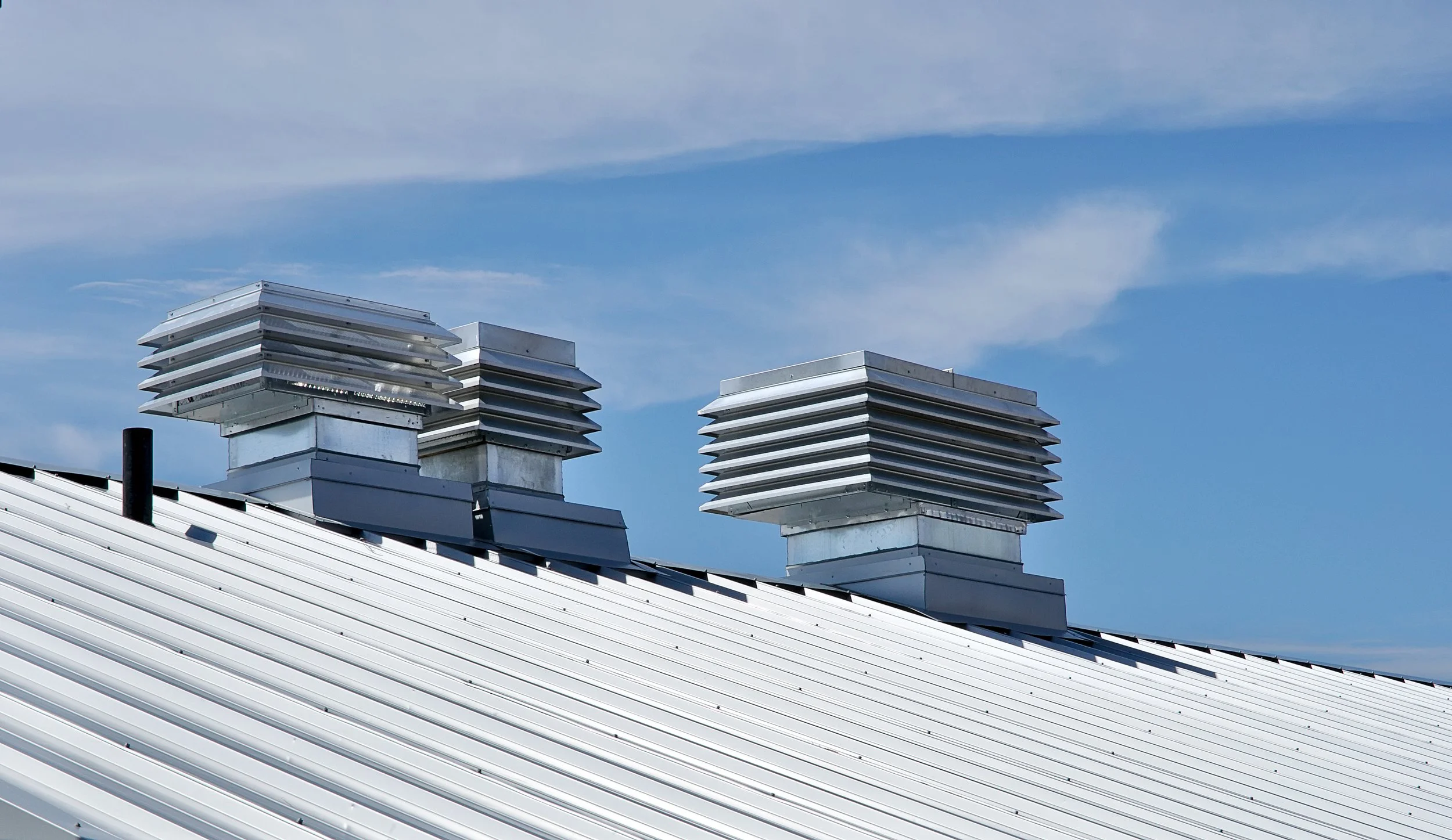
In the rapidly expanding Dallas-Fort Worth metroplex, warehouses, distribution centers, and manufacturing facilities are grappling with escalating energy demands, stricter environmental regulations, and the need for uninterrupted operations. As of March 2026, the EPA's American Innovation and Manufacturing (AIM) Act has fully implemented its HFC phasedown milestones, including the HFC Management Rule that went into effect on January 1, 2026. This rule imposes mandatory leak detection, repair, and reporting requirements on commercial HVAC and refrigeration systems containing 15 pounds or more of refrigerant charge—a threshold that applies to the vast majority of rooftop units, chillers, and industrial cooling systems in North Texas logistics hubs like Alliance Airport, South Dallas industrial parks, and Fort Worth manufacturing zones.
High-global-warming-potential (GWP) refrigerants such as R-410A and R-404A are becoming increasingly scarce and expensive, with production cuts reaching 40% under the AIM Act. For general contractors coordinating new builds or remodels, and facility managers overseeing daily operations, retrofitting existing HVAC systems with low-GWP alternatives (e.g., A2L classes like R-32, R-454B, or R-466A) represents a strategic investment. These upgrades not only ensure compliance but also deliver substantial energy savings—often 20–40% in older systems—while minimizing downtime in mission-critical environments where even brief interruptions can cost thousands in lost productivity.
At IMSI Mechanical, a 100% veteran-owned Service-Disabled Veteran-Owned Small Business (SDVOSB) specializing in commercial HVAC, plumbing, medical gas, and backflow prevention across North Texas, we've executed over 50 such retrofits for DFW clients. Our disciplined, zero-defect approach—honed through veteran leadership—ensures seamless integration and long-term reliability. This comprehensive guide equips you with the knowledge to plan, execute, and maintain low-GWP HVAC retrofits tailored to the unique challenges of North Texas, including extreme heat waves, occasional freezes, and expansive clay soils that can stress rooftop installations.
Understanding the 2026 Regulatory Landscape for DFW Commercial HVAC
The AIM Act's 2026 updates build on earlier phases, prohibiting the manufacture and import of high-GWP refrigerants for most new equipment and tightening rules for existing systems. Key provisions include:
- Leak repair thresholds: Systems must be repaired if leaks exceed 20% annually (down from prior allowances).
- Reporting mandates: Owners of systems with 50+ pounds charge must submit annual reports to the EPA via the Refrigerant Management Program.
- Transition incentives: Extended through 2026, including Section 45Q tax credits for low-GWP adoption and utility rebates from Oncor and TXU Energy in the DFW area.
In North Texas, local amendments to the International Mechanical Code (IMC) in Dallas (Chapter 53) and Fort Worth (Ordinance No. 25386) require permits for refrigerant changes and safety inspections for A2L installations. Non-compliance can lead to fines up to $2,000 per violation, plus operational shutdowns during audits. For warehouses handling e-commerce fulfillment or manufacturing plants with precision cooling needs, proactive retrofits avoid these risks while aligning with corporate sustainability goals, such as those from major tenants like Amazon or Procter & Gamble.
Step-by-Step Facility Assessment for Retrofit Readiness
A thorough audit is the foundation of any successful retrofit. General contractors should collaborate with facility managers early in the process:
- Equipment Inventory: Catalog all units, noting refrigerant type, charge size, and age. Use tools like EPA's refrigerant tracking apps for baseline data.
- Leak History Review: Analyze past service records; calculate annual leak rates to prioritize high-risk systems.
- Energy Baseline Measurement: Install temporary sub-meters to track current consumption—essential for ROI projections.
- Structural and Site Evaluation: Inspect roofs for load capacity (A2L systems may require additional supports) and assess soil stability in clay-heavy areas like Tarrant County.
- Compliance Gap Analysis: Cross-reference against AIM Act rules and local codes; identify incompatible components like seals or valves.
This phase typically spans 4–6 weeks and costs $5,000–$15,000 for a mid-sized warehouse, but it uncovers savings opportunities that offset the expense quickly.
Selecting Optimal Low-GWP Refrigerants and Equipment Upgrades
Choosing the right refrigerant depends on system type and facility needs:
- A2L Options for Rooftop Units: R-454B (GWP 466) or R-32 (GWP 675) for direct replacements in warehouses; they offer similar efficiency to R-410A but require safety upgrades like leak sensors and automatic shutoffs per ASHRAE Standard 15.
- Natural Refrigerants for Industrial Chillers: CO₂ (GWP 1) or ammonia for large manufacturing cooling towers—ideal for food processing plants in Grand Prairie.
- Hybrid Drop-Ins: For partial retrofits, use blends like R-448A in existing systems to bridge until full upgrades.
All selections must comply with UL 60335-2-40 for A2L safety. Avoid mixing refrigerants without full evacuation, as this can void warranties and trigger leaks.
Execution Best Practices: Phased Implementation to Minimize Disruption
Retrofits demand precision to keep operations running:
- Phase 1: Pre-Work Preparation: Secure permits from Dallas or Fort Worth building departments; order components with lead times in mind (A2L shortages are common in 2026).
- Phase 2: Component Swaps: Upgrade seals, expansion valves, and sensors; install mitigation equipment like enhanced ventilation fans.
- Phase 3: Refrigerant Recovery and Charge: Use certified reclamation services to handle old HFCs responsibly, avoiding EPA fines.
- Phase 4: System Integration: Add variable frequency drives (VFDs) and smart controls for demand optimization—crucial in variable-load manufacturing environments.
- Phase 5: Testing and Commissioning: Conduct hydrostatic pressure tests, leak simulations, and functional runs; document everything for rebates.
In DFW, schedule work during milder shoulder seasons (spring/fall) to combat heat-related delays. For a 100,000 sq ft warehouse, expect 2–4 weeks per phase, with costs ranging $50,000–$200,000 depending on scope.
Common Pitfalls and How to Avoid Them in North Texas Conditions
- Overlooking Soil and Weather Impacts: Clay soils can shift foundations, stressing piping—use flexible mounts and encase lines.
- Inadequate Safety Training: A2L refrigerants are mildly flammable; ensure all crews are IMC-certified and conduct fire drills.
- Budget Overruns from Supply Chain Issues: Source locally through DFW distributors to avoid national shortages.
- Integration Conflicts: Coordinate with electrical upgrades early to prevent overloads in high-vibration manufacturing settings.
Calculating ROI and Long-Term Benefits
A standard retrofit for a Fort Worth manufacturing plant might cost $150,000 but yield:
- Annual energy savings: $30,000–$60,000 (based on 30% efficiency gains at current TXU rates).
- Payback period: 3–5 years, accelerated by $10,000–$20,000 in rebates.
- Extended lifespan: 10–15 years added to equipment.
- Environmental perks: Reduced carbon footprint, aiding LEED certifications for new leases.
Facility managers report fewer breakdowns and improved air quality, boosting worker productivity.
Seamless Integration with Other Mechanical Systems
HVAC retrofits often overlap with plumbing (e.g., condensate drains) or backflow prevention. At IMSI Mechanical, our full-service team handles tie-ins during a single shutdown, reducing total project time by 20–30%.
Rigorous Testing, Commissioning, and Preventive Maintenance Strategies
Post-install: Perform EPA-mandated leak tests, balance airflow, and train staff. Ongoing maintenance includes quarterly sensor checks, annual refrigerant audits, and bi-annual efficiency tune-ups—essential for North Texas's dusty industrial air.
Why Choose a Veteran-Owned DFW Expert for Your Retrofit
As an SDVOSB, IMSI Mechanical brings unmatched discipline to commercial HVAC projects, serving general contractors and facility managers in warehouses, manufacturing facilities, airports, and more. Our clients trust us for zero-defect results that perform under pressure.
Implementing these retrofit strategies ensures your North Texas facility remains compliant, efficient, and resilient in 2026 and beyond. From regulatory navigation to hands-on execution, every detail counts.
Ready to assess your HVAC system? Contact IMSI Mechanical today for a consultation. Our licensed professionals provide mission-critical solutions across Dallas, Fort Worth, and the metroplex—your trusted partner for exceptional outcomes.