
Commercial Plumbing Retrofits for Facilities in the DFW Metroplex
Multi-Family Complexes and Healthcare Take Note
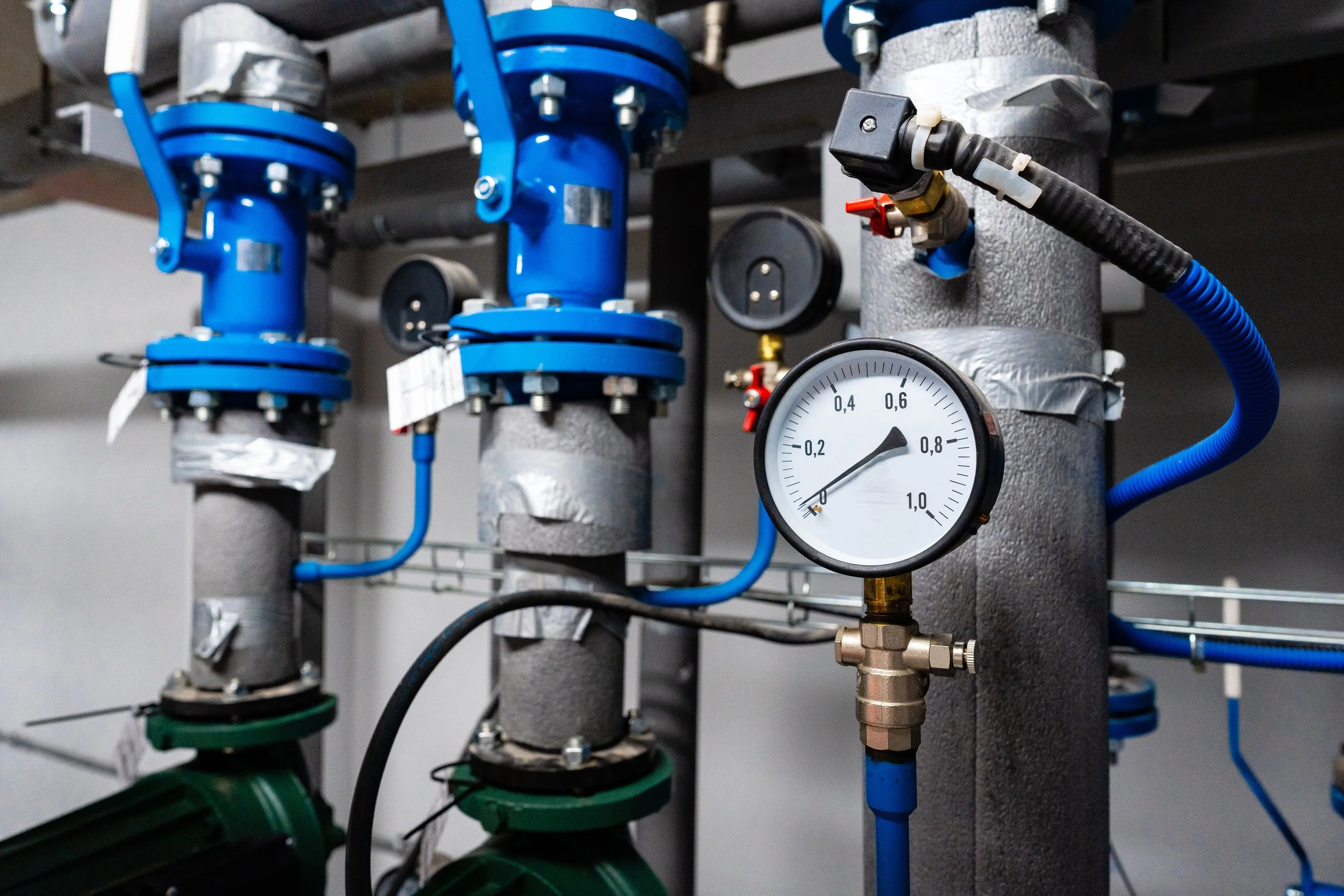
Aging infrastructure in Dallas-Fort Worth's multi-family complexes and healthcare facilities poses significant risks: water waste, corrosion-induced leaks, and non-compliance with efficiency standards that could lead to hefty fines or operational halts. As of March 2026, the Region C Water Plan—updated by the Texas Water Development Board—emphasizes stricter conservation measures amid ongoing droughts, mandating low-flow fixtures in commercial remodels and tying incentives to measurable savings. For general contractors managing large-scale upgrades and facility managers focused on uptime, retrofitting commercial plumbing systems offers a targeted, cost-effective solution over full replacements.
These retrofits involve upgrading fixtures, rehabilitating piping, optimizing hot water delivery, and integrating smart controls—all while minimizing resident or patient disruptions. In high-occupancy settings like multi-family towers in Uptown Dallas or hospitals in the Medical District, such projects enhance reliability, reduce utility bills by 30–50%, and support infection control protocols.
IMSI Mechanical, a veteran-owned SDVOSB, has completed numerous plumbing retrofits for North Texas clients, delivering zero-defect installations in demanding environments. This guide provides actionable insights for planning and executing retrofits that meet DFW codes and exceed expectations.
The Urgency of Plumbing Retrofits in 2026 North Texas
DFW's explosive growth—adding over 150,000 residents annually—strains older systems in 1980s–2000s buildings. Galvanized pipes corrode from hard water, while inefficient fixtures exacerbate water shortages. Key drivers include:
- TCEQ water conservation rules requiring audits for high-use facilities.
- Joint Commission standards for healthcare, emphasizing legionella prevention.
- Utility rebates from Dallas Water Utilities and Fort Worth Water Department, extended through 2026 for retrofits achieving 20%+ savings.
Failing to retrofit risks pipe bursts during rare freezes or contamination events, costing $50,000+ in emergency repairs and downtime.
Detailed Assessment and Planning Phase
Start with a site survey:
- System Mapping: Use camera inspections to identify corrosion, leaks, and pressure drops.
- Water Usage Audit: Meter fixtures to baseline consumption; calculate peak demands per IPC tables.
- Code Review: Check against Dallas Chapter 54 and Fort Worth IPC amendments for fixture efficiencies.
- Risk Identification: In healthcare, test for legionella; in multi-family, assess grease buildup in communal kitchens.
- Budget and Phasing: Prioritize high-impact areas like restrooms or patient wings.
This phase uncovers hidden issues, like clay soil pressure on buried lines, common in Collin County complexes.
Key Retrofit Components and Material Choices
Tailor upgrades to facility type:
- Low-Flow Fixtures: Install 1.28 GPF toilets, 0.5 GPM aerators, and sensor faucets—mandatory for new DFW permits.
- Piping Rehabilitation: Epoxy lining for existing copper or full PEX/CPVC replacements in risers for flexibility against soil movement.
- Hot Water Optimization: Add recirculation pumps, tankless units, and insulation to reduce wait times and energy loss.
- Specialized Features: Antimicrobial piping in hospitals; grease interceptors sized per IPC for multi-family amenity spaces.
- Smart Integration: IoT sensors for leak detection, tying into building management systems.
All materials must be lead-free per NSF/ANSI 61, with dielectric unions to prevent galvanic corrosion.
Phased Execution Strategies for Minimal Disruption
- Phase 1: Preparation: Obtain permits; notify occupants with 48-hour notices.
- Phase 2: Fixture Swaps: Replace in batches, using temporary bypasses.
- Phase 3: Piping Work: Trenchless methods like pipe bursting to avoid wall openings.
- Phase 4: System Balancing: Adjust pressures and test flows.
- Phase 5: Final Testing: Hydrostatic checks and water quality sampling.
For a 300-unit multi-family complex, phases span 6–12 weeks; healthcare projects require sterile protocols during work.
Avoiding Common Pitfalls in DFW Retrofits
- Underestimating Water Hardness: North Texas water accelerates scaling—incorporate softeners early.
- Disruption Mismanagement: Poor scheduling leads to tenant complaints; use off-hours for noisy tasks.
- Compliance Oversights: Forget backflow integration, risking TCEQ violations.
- Cost Creep: Factor in disposal fees for old materials.
ROI Analysis and Sustainability Benefits
A typical retrofit for a Dallas hospital wing costs $100,000–$300,000 but delivers:
- Water savings: 40% annually ($20,000+ at current rates).
- Payback: 4–6 years, with $15,000 rebates.
- Reduced maintenance: Fewer clogs and leaks, extending system life by 15 years.
- Health perks: Lower legionella risks, supporting accreditation.
Multi-family owners see higher occupancy from eco-friendly upgrades.
Coordinating with HVAC, Medical Gas, and Backflow Systems
Plumbing retrofits often align with HVAC condensate drains or medical gas piping. IMSI Mechanical's holistic expertise ensures single-source coordination, cutting timelines by 25%.
Commissioning, Testing, and Long-Term Maintenance
Post-retrofit: Conduct IPC-required tests, commission controls, and provide training. Maintenance plans include quarterly inspections, annual backflow checks, and biannual water testing.
Partnering with IMSI Mechanical for DFW Success
Our SDVOSB status brings precision to commercial plumbing projects for multi-family, healthcare, government buildings, and more.
These retrofit practices ensure safe, efficient systems built to last in North Texas. From design to delivery, prioritize compliance and performance.
Need expert guidance? Contact IMSI Mechanical for a retrofit consultation—your North Texas partner for mission-critical results.