
Water-Efficient Commercial Plumbing Systems for North Texas Buildings
Tips for DFW General Contractors
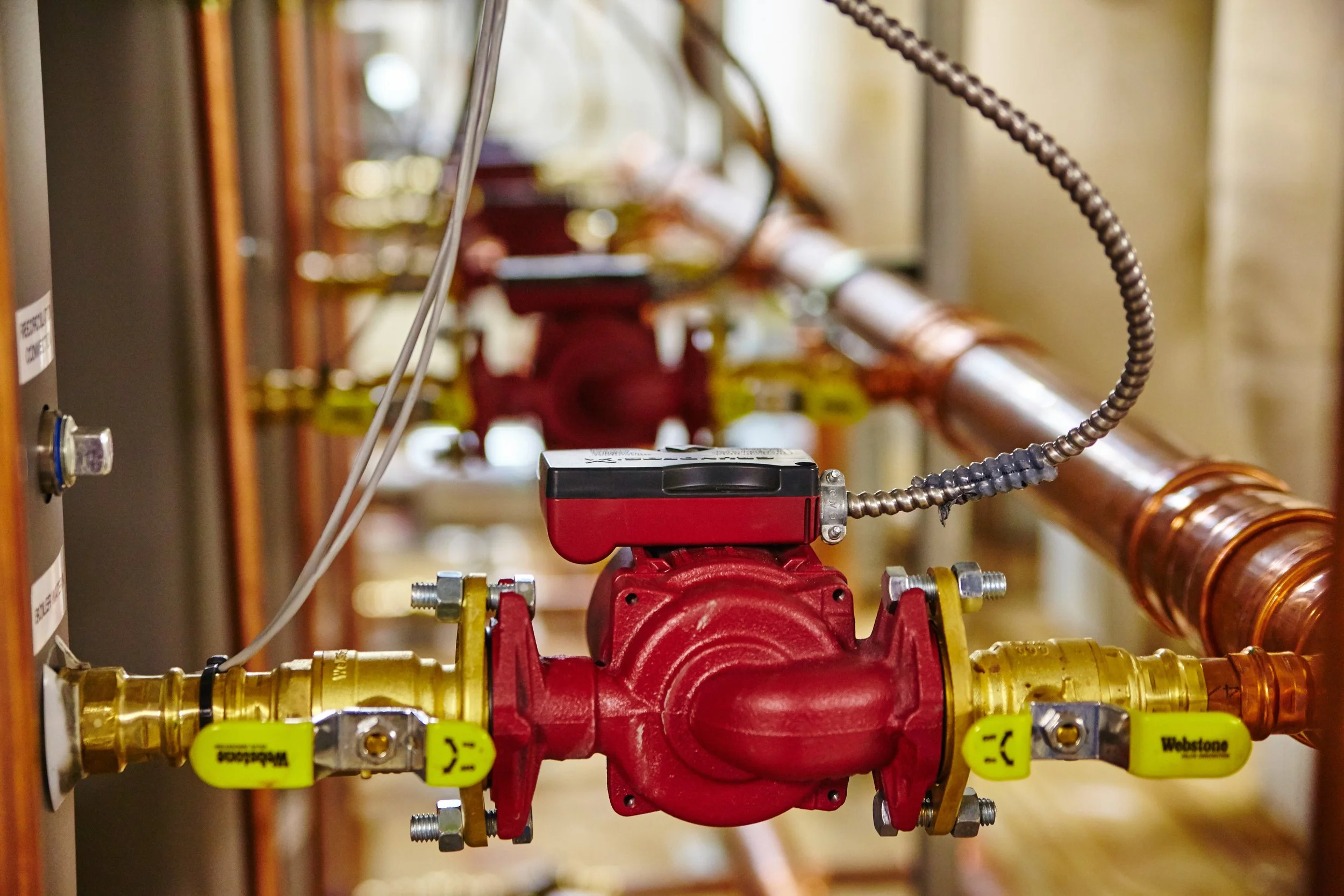
Water scarcity, rising municipal rates, and aggressive corporate sustainability mandates have made water efficiency a primary driver of ROI for commercial developments in the Dallas-Fort Worth metroplex. In a region defined by periodic droughts and "Black Giant" clay soils that can stress underground infrastructure, the plumbing system is a critical component of a building’s long-term viability.
At IMSI Mechanical—a veteran-owned specialist in North Texas mechanical systems—we partner with general contractors to deliver verified water savings of 25–45%. This guide outlines the system recommendations, smart technologies, and financial incentives that are delivering measurable results in the DFW market today.
1. The DFW Water Reality: Hard Water and Regulatory Pressure
The municipal water supply in North Texas contains high concentrations of calcium and magnesium. This "hard water" accelerates scaling inside pipes, valves, and heat exchangers, often reducing the service life of standard plumbing components by 30–50% within the first five years.
Furthermore, the North Texas Municipal Water District (NTMWD) and local authorities have moved beyond the basic Texas Plumbing Code. New local amendments often mandate higher performance than the national baseline. General contractors who exceed these standards position their projects for LEED v4.1 or WELL certifications while unlocking significant financial rebates.
2. Proven High-Efficiency System Options
To maximize efficiency, system selection must be tailored to the specific asset class and its typical usage patterns.
Healthcare and Laboratory Facilities
For clinical environments, we specify low-flow, sensor-operated faucets with 0.5 GPM aerators.
- Integration: These systems are integrated with medical gas and HVAC condensate recovery lines.
- The Benefit: This approach maintains sterile conditions while utilizing recovered water for non-potable needs, effectively "recycling" water that would otherwise be wasted.
Industrial and Distribution Centers
Large-scale warehouses in the Alliance and I-35 corridors benefit immensely from high-capacity greywater recycling.
- The Strategy: Capturing and treating rinse water or AC condensate to be used as makeup water for cooling towers or on-site irrigation.
- The Impact: This can reduce municipal water demand for industrial cooling by up to 40%.
Office and Retail Developments
In high-density areas like Legacy West or Frisco, point-of-use (POU) technology is the gold standard.
- Tankless Water Heaters: Installing POU tankless units at the fixture eliminates the energy and water waste associated with long recirculation loops.
- High-Efficiency Fixtures: We utilize dual-flush toilets (1.28/0.8 GPF) and low-flow showerheads (1.75 GPM) to slash domestic indoor water use.
3. Smart Controls and Leak Detection
In the DFW climate, a single undetected leak in an underground line stressed by shifting clay soil can waste thousands of gallons before it surfaces. Modern water efficiency relies on the "Internet of Things" (IoT).
- Sub-Metering: We install IoT-enabled meters that track usage by floor or tenant. This data is essential for both accurate billing and identifying "phantom" water loss.
- Automated Shut-off: We program the Building Automation System (BAS) to automatically shut off the water supply to specific zones (such as office restrooms) during unoccupied overnight hours.
- Demand-Controlled Recirculation: Instead of pumps running 24/7, smart pumps activate only when a sensor detects flow or a specific temperature drop, cutting energy costs by 25%.
4. Integration with HVAC and Other Building Systems
True water efficiency is achieved through cross-trade coordination. As a mechanical specialist, IMSI Mechanical focuses on the intersection of plumbing and HVAC:
- Condensate Recovery: A large North Texas office building can produce over 100,000 gallons of condensate per year from its cooling coils. We route this water directly to cooling towers or greywater tanks.
- Geothermal & Solar Integration: We pair high-efficiency plumbing with solar-thermal water heating, taking advantage of North Texas’ high solar index to reduce the energy required for domestic hot water by up to 60%.
5. Capturing Rebates and Funding
General contractors can significantly lower the net cost of these systems by tapping into regional and federal incentives:
- NTMWD Rebates: Local utilities often offer rebates up to $0.50 per gallon of verified annual water savings.
- Texas Water Development Board (TWDB): Provides grants and low-interest loans for projects implementing innovative water-reuse technologies.
- Federal Tax Credits: The Inflation Reduction Act provides deductions for green plumbing components that meet strict efficiency thresholds.
IMSI Mechanical manages the entire measurement-and-verification (M&V) process, providing the documentation required to ensure these funds reach the owner’s bottom line.
6. Overcoming Budget and Implementation Challenges
While premium low-flow fixtures and recycling systems carry a higher upfront cost, the lifecycle analysis for the DFW market typically shows a break-even point within 3 to 5 years.
To assist general contractors with tight schedules, we provide:
- Phased Implementation: Upgrading systems during tenant fit-outs to avoid disrupting the primary construction timeline.
- Value Engineering: Identifying the specific fixtures that provide the highest water-save-per-dollar ratio based on the building's projected occupancy.
Conclusion: Building for a Water-Resilient Future
Leading with water-efficient plumbing allows general contractors to move the conversation from "initial cost" to "long-term value." By protecting the building against rising utility rates and environmental instability, you build a stronger relationship with the owner and a more competitive portfolio.
Ready to optimize your next project? Contact IMSi Mechanical for a free water-use analysis, rebate coordination, and turnkey commercial plumbing installation.